
Skill Issue
Learning the strategy skill you don't think is a strategy skill.

This is one of the ones I probably shouldn’t write, but (as is often the case) it’s one of the ones that I think can have impact on the most people, because “why won’t the creative team include me in the process” is a top 5 lament of strategists everywhere. Like nearly everything I write, this is notionally about strategy but also kind of about interacting effectively with the world.
There are many things that you probably think of as innate traits or gifts, that are learnable skills. We have a tendency to take any forms of capability that are delivered with ease, and assume they are limited to a chosen few, blessed with their unique ability. Unless the thing we’re talking about is a physical reality (you cannot learn to be 6’8”) you can probably get closer to it.
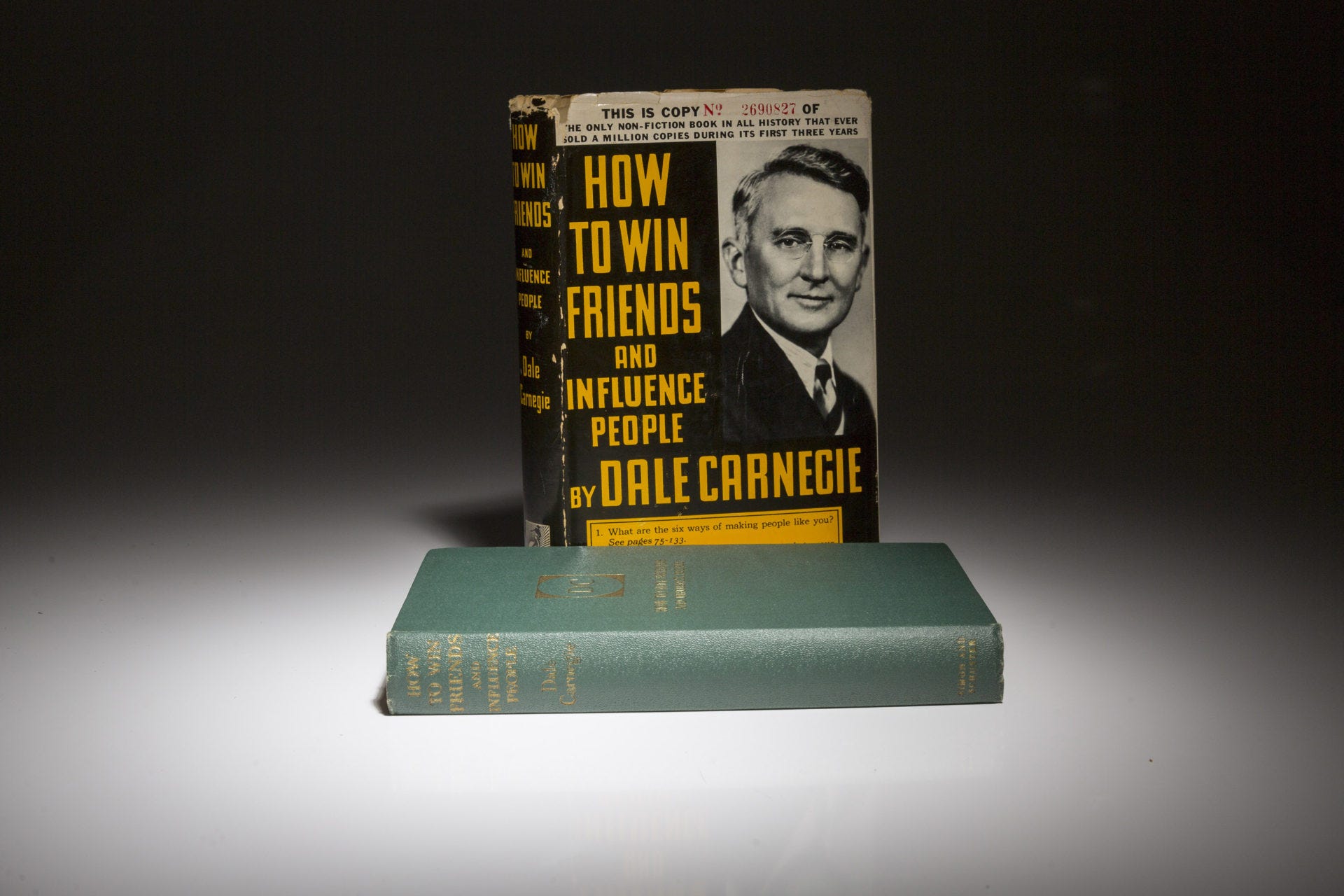
The biggest example, for me, is being “likeable”.
In an industry and role where many people celebrate being difficult, I know a good 50-75% of you cringed when you read that word. But I don’t mean “be a people pleaser” or “be a doormat”. I mean being a person people will actively choose to be around and to work with. I think nearly anyone can do this, even if they struggle socially. I fully understand that some people have intrinsic challenges that make elements of this harder, and I respect that. I still think of this concept, being nice to be around, as learnable. It’s also a professional skill.
As a strategist, if being around you sucks, your life gets harder. You will struggle to connect with creatives, you will find clients remote and distant, and you will miss out on opportunities. This doesn’t mean you need to be cool, because thankfully this isn’t high school. But you do need to be likeable.
The core skills of likeability are putting people at ease, treating people like people, and expressing yourself relatably. They are things you can start doing immediately after you finish reading this.
Putting People at Ease.
This is primarily about considering the impact your words, actions, or presence have on others. If you’re stressed, lash out, and act unpredictably, you will make others stressed, anxious, or on edge. Some of this is manageable through self control, but a lot of it is shaped by practicing transparency and vulnerability. When you’re willing to admit what you’re bad at or worried about or what nerdy thing you love, you are expressing your own humanity. When you are forthright about lack of sleep or a scary meeting coming up, your transparency provides context.
This isn’t a formal ritual or specific pattern to follow; it’s finding natural points in conversation to share useful information. It’s me admitting I was 4’10” in the 9th grade, or that I did model parliament for years growing up, because being able to admit I was a tiny nerd is vulnerability, which is just honesty without obvious gain. If you can do this without it becoming trauma dumping or seeking reassurance, you will generally put people at ease, by establishing your humanity and establishing context for your behaviour.
Treating People Like People.
This has two key elements. Remembering that anyone you interact with is worthy of respect and care, but also remembering that you are not more of a person than anyone you’re talking to. Smart people, nerdy people, people with specific talents, can easily fall into the idea that they are having a truly unique experience of being alive based on how wildly talented they are. This makes someone unpleasant to engage with. It gives them implicit permission to make other people feel small.
If you can enter every interaction with the mindset that 1) this other person is worthy of my respect, and 2) you are not uniquely superior to them, you will probably get along okay. Largely because this mindset is incompatible with treating people like crap. People respond well to being treated with genuine respect, especially when it’s paired with being treated like an equal. This doesn’t mean deference. It means not treating others with contempt, even subtly. Doing this at an introduction is easy. Doing it when you disagree, when the meeting went bad, when it’s 3am and the thing is due at 9… that’s harder. That’s also when it matters.
Expressing Yourself Relatably.
This is the most alien part, because it requires reframing the purpose of writing, speaking or presenting. I think around 90% of people talk to express their ideas. Maybe 10% talk to be understood. Your job would probably go better if you prioritized being understood instead of being heard. You need to express yourself in a relatable way.
In practice this means choosing metaphors that your market will understand. You might default to car or war metaphors but not every person will have that mental architecture. It means being able to explain yourself four or five ways without getting annoyed. It means being able to shift between whatever model of thinking your audience uses, and linking them together where needed. It means having ideas that you’re willing to shift into language your audience speaks. To be relatable means understanding the people you want to relate to. It means listening and noticing the cues that someone might relate to a framing rooted in a hobby or a sport or a life stage. It means knowing if someone is a Byron Sharp marketer or a Jack Trout marketer or a Simon Sinek marketer.
This is powerful precisely because it’s rare. Most people don’t think about making their words or ideas relatable to another person. They act like everyone should need to conform to them. Especially smart people, talented people. The idea that your great idea is better when understood, is somehow seen as a compromise, which is objectively absurd.
If you couldn’t tell, I was not great at people, growing up. I was a smart kid, a giant nerd, and a youngest child. I was not naturally charming. I was objectively weird. But I paid attention and I learned how to balance being able to connect with people, with how to ensure I was true to myself. If you can be yourself, while learning to put people at ease, treat people like people, and express yourself relatably, people will like being around you.
There are some very successful people who reject some or all of these skills. If you want to be lonely and have enemies, go for it.
There are obviously more areas you can work on (physical presentation, sense of humour, picking up cues) but in general anyone who is having trouble connecting with others will benefit from starting here.
And you’ll be functionally better than about half the strategists you work with, by default.